← Back to excursions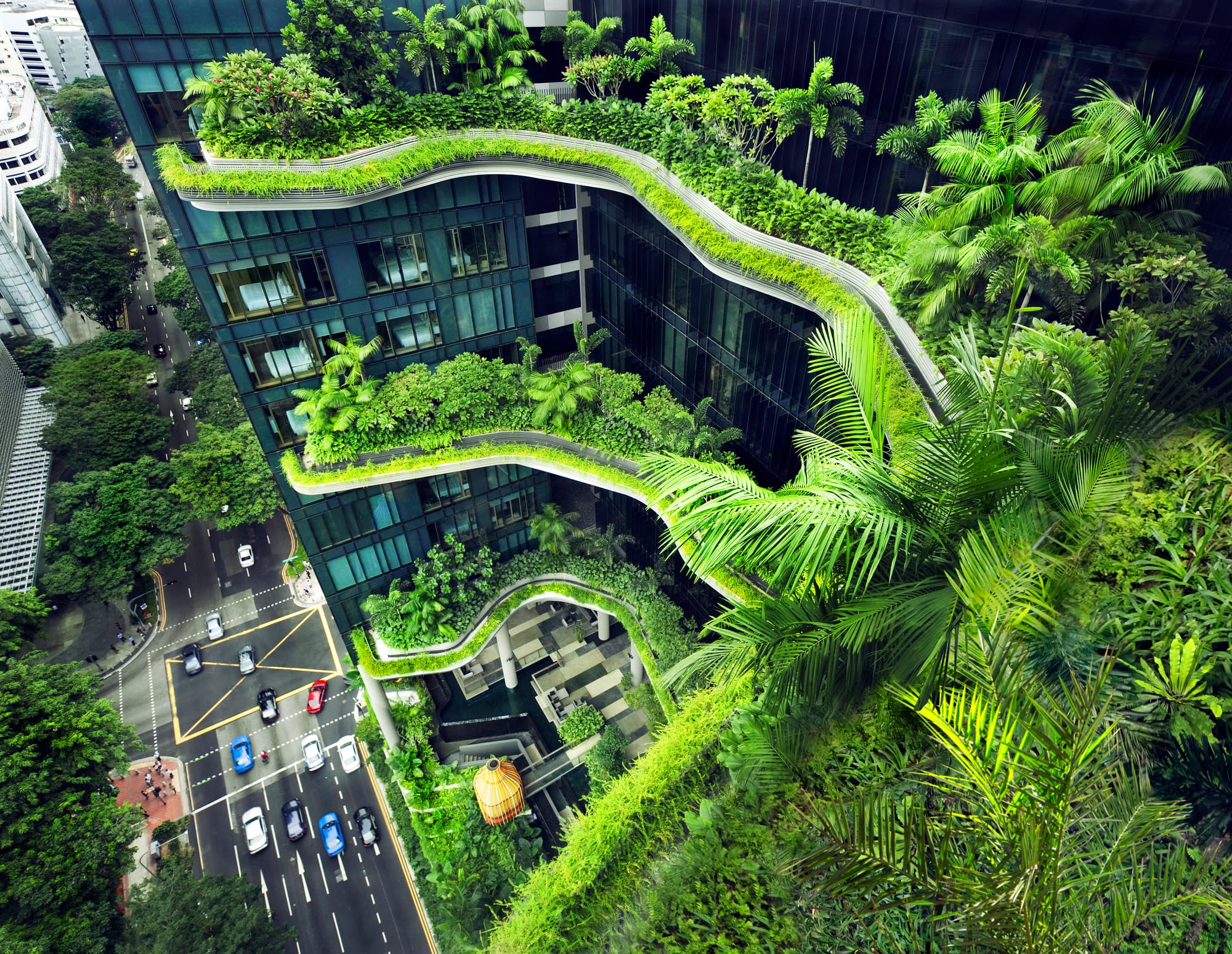
Singapore – City in Nature
How a dense city makes space for wildlife and everyday greenery
Singapore is one of the world’s densest city-states, yet it is also widely recognised as one of the greenest. After decades of greening, the country is advancing a long-term vision known as City in Nature: transforming from a Garden City into a biophilic metropolis where urban infrastructure and natural ecosystems work together. Nature is restored into the built environment and brought closer to people’s daily lives.
At the heart of this approach are strategies led by Singapore’s National Parks Board: expanding nature park networks that buffer and protect nature reserves; naturalising gardens and parks so residents can enjoy richer nature experiences closer to home; restoring greenery in urban and industrial areas; and strengthening ecological connectivity through park connectors and nature ways. The aim is not only to beautify the city, but to support biodiversity, cool urban spaces, improve air quality, and make nature a normal part of everyday life.
By 2030, Singapore aims to expand nature ways and park connectors so that every household is within a short walk of a park. Skyrise greenery — green roofs, vertical gardens, and planted façades — helps bring vegetation into limited land space, while roadside planting and linked green corridors help plants, wildlife, and people move through the city together.
Singapore’s City in Nature vision shows that high-density urban development and thriving ecosystems do not have to be opposites. Careful planning, ecological design, and community stewardship can turn a modern city into a living landscape — a powerful example of climate-adapted, nature-based urban development.
The accompanying video, How Singapore’s Urban Design Makes Way for Wildlife (WILD HOPE / Nature on PBS), explores this story for educational and informational purposes. All rights remain with the original content creator.
This video is hosted on YouTube and is provided for educational and informational purposes. All rights remain with the original content creator.